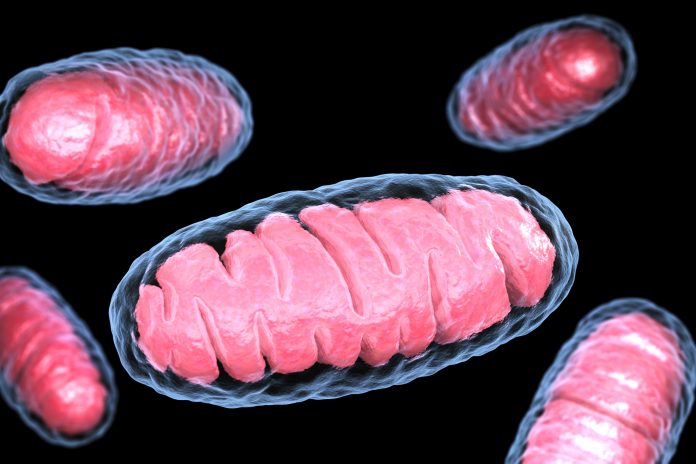
Results from a study in mice and human tissue samples show injecting healthy mitochondria into nerve tissue helps to alleviate chronic pain from causes such as diabetes and side effects from chemotherapy drugs.
As reported in Nature, the researchers discovered that a type of support cell called satellite glial cells wrap around sensory neurons and donate mitochondria to them to help keep the nerves healthy and pain free.
Normally tiny tubes form between the glial cells and the sensory neurons, and the mitochondria travel down the tubes as needed. Illnesses such as type 2 diabetes and some treatments for cancer, as well as other health conditions, can reduce this process and the numbers of these tubes, which leads to nerve damage and increased sensitivity to touch and heat.
The investigators wanted to test whether replacing mitochondria could help reduce pain. “By giving damaged nerves fresh mitochondria—or helping them make more of their own—we can reduce inflammation and support healing,” said the study’s lead author Ru-Rong Ji, PhD, director of the Center for Translational Pain Medicine in the Department of Anesthesiology at Duke School of Medicine, in a press statement. “This approach has the potential to ease pain in a completely new way.”
Using mouse models as well as human tissue culture from donated dorsal root ganglion tissue and a combination of human satellite glial cells and neurons, the researchers showed that mitochondria were distributed to sensory nerve cells using the tiny tubes and also that a key protein, MYO10, is important for producing these tubes. When this protein was disrupted or non-functional the mice had less of these tubes, less mitochondria in the sensory nerve cells, and were more susceptible to pain.
The team also modeled the kind of damage caused by diabetic neuropathy and cancer medications and found these conditions also caused damage to the sensory nerve mitochondrial transfer system.
To try and combat this damage, Ji and colleagues tried injecting the model mice with both satellite glial cells and healthy mitochondria. Both were helpful, but injecting healthy mitochondria into the dorsal root ganglion nerve seemed to be most effective for reducing pain. For example, injection of healthy, nondiabetic mitochondria raised touch pain thresholds for two days. The team also noticed increased nerve fiber density in these mice suggesting the treatment also prompted nerve repair.
This research is still at an early stage but shows promise for developing a possible treatment for the many people who experience chronic pain on a daily basis.