




High-performance enzyme engineering company Watchmaker Genomics recently launched TAPS+, a novel technology that allows for simultaneous detection of methylation and genetic variants using a single sample. The chemistry enables simultaneous detection of methylation (5mC), single-nucleotide variants (SNVs), insertions and deletions (indels), and copy number variations (CNVs) from the same DNA molecule. This multimodal approach has broad applications in oncology ranging from early disease detection to therapy response and minimal residual disease detection.
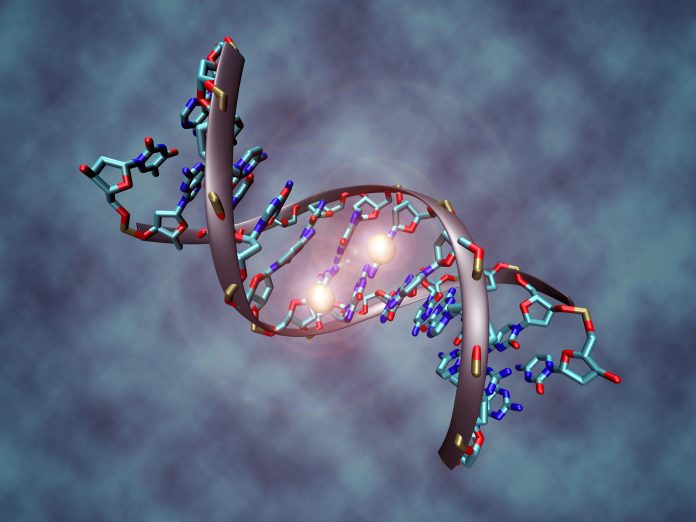
Current methylation analysis typically leverage bisulfite, which converts unmethylated cytosines to thymines, reducing the four-base sequence (ATCG) to three bases. But this method is indiscriminate and damages virtually all DNA in the sample, not just areas of methylation. TAPS+, short for TET-assisted pyridine borane sequencing, is a positive-readout process that directly converts methylated cytosines (5mC) to thymines while preserving unmethylated cytosines, maintaining full sequence complexity. The method achieves more than 98% conversion efficiency and is compatible with challenging sample types, including formalin-fixed paraffin-embedded (FFPE) tissue and circulating tumor DNA (ctDNA).
According to Watchmaker, TAPS+ improves coverage across CpG regions, reduces false positives, and shortens computational analysis time by 30% or more. The workflow can be completed in approximately six hours and integrates with multiple sequencing platforms. This platform-agnostic approach is designed to allow laboratories to incorporate the chemistry into existing pipelines without restrictive licensing agreements.
Matija Snuderl, MD, the director of molecular pathology at NYU Langone Health, was one of the first early evaluators of the new chemistry in TAPS+ and notes that “With TAPS+, we can directly detect 5mC alongside genetic drivers, even from difficult samples like FFPE or ctDNA from cerebrospinal fluid. The combination of a unified workflow and improved chemistry delivers the kind of multimodal insight we’ve been waiting for in precision oncology.”
Snuderl presented data on his work with TAPS+ Wednesday during the Association for Molecular Pathology (AMP) Annual Meeting & Expo in Boston.
In his ongoing evaluation of the technology, Snuderl has noted that because it performs so well in preserving the integrity of non-methylated regions of a DNA sample that he is able to produce comprehensive genomic and methylation profiles from as little as one nanogram of DNA, representing up to a 250-fold reduction in material compared to conventional methods.
Using liquid biopsy ctDNA from patients with glioblastoma, Snuderl and team have identified driver mutations, copy number alterations, chromosomal rearrangements, and methylation-based classifiers all from a single assay. Importantly the data generated using TAPS+ aligned with that obtained from tissue-based sequencing, which is especially important in instances when solid tumor tissues are not available.
This is made possible because TAPS+ overcomes one of the significant limitations of liquid biopsy, the relative scarcity of mutated fragments of ctDNA found in a typical blood draw. “In a classic liquid biopsy, you rely on finding the driver mutation, but even at deep sequencing, you may miss it if it’s not represented,” Snuderl said. “With methylation profiling, you can still detect tumor-specific patterns even without the mutation itself.” Because of this, sequencing results using this new chemistry can help identify both oncogenic mutations and the tumor’s tissue of origin, something not possible when sequencing for the genetic mutations alone.
In many cases, brain tumors share similar mutational profiles but differ epigenetically. For his work in neuro-oncology, TAPS+ allows Snuderl to apply the Heidelberg DNA methylation classifier directly to the results obtained from ctDNA. Being able to derive methylation-based classification to distinguish between glioma subtypes and rare tumors, such as atypical teratoid/rhabdoid tumors (AT/RTs), is vital information that helps drive treatment decisions. TAPS+ also facilitates assessment of clinically relevant biomarkers, including MGMT promoter methylation.
The assay’s multimodal capabilities help to consolidate workflows that previously required separate DNA, RNA, and methylation analyses. “You can take a small biopsy and get all of this information at once,” Snuderl noted. “For us, the turnaround time from receiving a sample to reporting results is about three business days.”
This quick turnaround time, the breadth of information that can be generated, and the minute amount of genetic material needed is significant.
“Imagine that you have a small biopsy, and you need to do DNA NGS, RNA NGS, and a methylation array. Each of them is 250 nanograms and, pretty soon, you run out of tissue, you’re done,” Snuderl said. “But now we can do all of this, and we are doing it in the whole-genome level. I think with this we can benefit our patients tremendously.”