




A new study led by researchers at Montefiore Einstein Comprehensive Cancer Center (MECCC) has identified genetic changes that may explain why first responders exposed to the toxic dust cloud of the September 11, 2001, World Trade Center (WTC) attacks face a higher risk of developing leukemia and other blood disorders. The findings, published in Cancer Discovery, also highlight a potential strategy to prevent or treat these diseases in people exposed to environmental toxins.
“Our findings provide new insights into the long-term health impacts of environmental catastrophes, such as wildfires, and suggest targeted interventions for those affected by 9/11 or similar disasters,” said study leader Amit Verma, MD, associate director for translational science at MECCC.
Toxic dust and blood cancer risk
The collapse of the Twin Towers released a massive plume of particulate matter—laden with carcinogens, asbestos, heavy metals, and other genotoxic substances—that blanketed lower Manhattan. More than 400,000 firefighters, police officers, construction workers, volunteers, and residents were exposed to the dust. Epidemiological studies have since shown elevated rates of cancer, cardiovascular disease, and respiratory illness among responders.
Yet how environmental exposure leads specifically to blood cancers has remained unclear. To probe this question, the Einstein team analyzed blood samples from nearly 1,000 WTC-exposed first responders and compared them with samples from two unexposed control groups: 255 firefighters and 198 members of the general population.
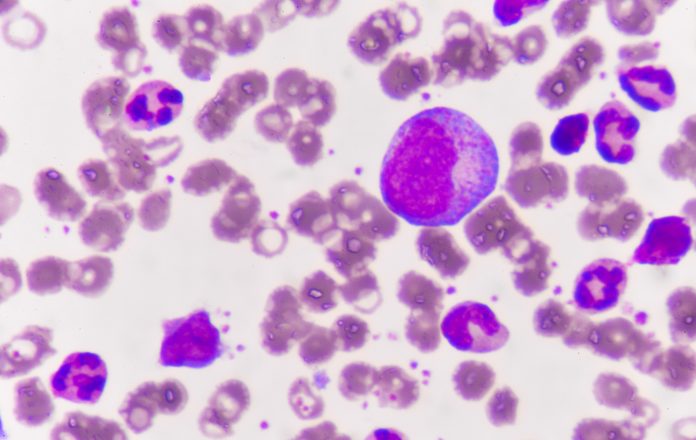
The researchers found that first responders had a significantly higher prevalence of clonal hematopoiesis (CH), a condition in which blood-forming stem cells acquire mutations that give rise to genetically altered “clones” of blood cells. While CH is most commonly associated with aging, it is increasingly recognized as a precursor to leukemia, other blood cancers, and cardiovascular disease.
The link was striking: WTC responders with CH mutations were nearly six times more likely to develop leukemia than responders without CH.
Distinct mutations in younger responders
The study revealed a unique genetic signature among younger responders—those under 60—who had CH. Unlike the classic age-related mutations typically seen in older adults, these responders exhibited a different set of mutations, often affecting genes involved in DNA repair.
“These findings suggest that the genotoxic substances in WTC dust may accelerate the aging process of blood stem cells or cause entirely new patterns of mutations,” said Verma. “That could help explain why younger responders are also at elevated risk.”
Animal studies provided further confirmation. When mice were exposed to samples of WTC dust, they developed high levels of inflammation and an expansion of mutant blood cells, mimicking the human findings.
Identifying a molecular culprit: IL1RAP
To understand how toxic exposure fueled these genetic changes, the team homed in on the role of inflammation. They discovered that dust exposure triggered production of IL1RAP, a protein involved in inflammatory signaling. Elevated IL1RAP levels were closely linked to the expansion of mutant blood stem cells.
Importantly, when the researchers genetically knocked out IL1RAP in mice, the rise of defective blood cells was prevented.
“We now know that IL1RAP is a very attractive target for strategies aimed at suppressing the growth of these mutant clones,” said Verma. He noted that IL1RAP has been implicated in several cancers and autoimmune diseases, and drugs designed to inhibit the protein are already being studied in clinical trials.
Implications beyond Ground Zero
The research offers hope not only for 9/11 responders but also for people exposed to other forms of toxic particulate matter.
“Our work has implications for people exposed to wildfires, air pollution, military burn pits, and many other exposures,” Verma said. “By screening toxin-exposed populations for CH, we could identify people at risk for blood cancers and then potentially treat or even prevent those cancers by targeting IL1RAP.”
Concluding their paper, the authors write, “Overall, our study underscores the critical need for continued monitoring and comprehensive healthcare support for environmentally including WTC-exposed responders, given the heightened risk of hematopoietic abnormalities and associated malignancies. Our findings provide insights into the long-term health impacts of environmental disasters and lay the groundwork for targeted interventions and personalized healthcare strategies, aiming to improve outcomes for those affected by the WTC disaster or future environmental disasters.”