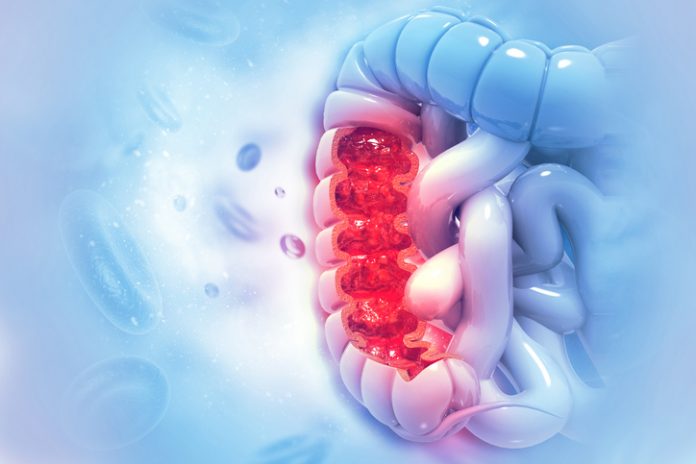
Researchers from the University of Texas MD Anderson Cancer Center have shown that glucose-fructose mix found in sweet sugary drinks directly fuels metastasis in preclinical models of colorectal cancer (CRC). Their research, published in Nature Metabolism, identified the SORD enzyme, which plays a role in converting sorbitol to fructose, as a key driver of the metastatic spread of CRC.
“Our findings highlight that daily diet matters not only for cancer risk but also for how the disease progresses once it has developed,” said senior author and study leader Jihye Yun, PhD, assistant professor of genetics at MD Anderson. “While these findings need further investigation, they suggest that reducing sugary drinks, targeting SORD, or repurposing statins may benefit patients with colorectal cancer.”
Metastatic disease remains the leading cause of death in CRC patients. The new study explored the molecular mechanisms by which the glucose-fructose mix in sugary drinks found in soda, energy drinks, and many juices affects cancer progression in late-stage CRC.
Using preclinical models of advanced colorectal cancer, the research team found that it is the exposure a combination of glucose and fructose, not exposure to one or the other alone, that boosts cancer cell motility and promotes metastasis to the liver. “The combination of glucose and fructose elevates the NAD⁺/NADH ratio by activation of the reverse reaction of sorbitol dehydrogenase in the polyol pathway,” the researchers wrote. “This redox shift relieves NAD⁺ limitations and accelerates glycolytic activity, which in turn fuels activation of the mevalonate pathway, ultimately promoting CRC cell motility and metastasis.”
Further, the team showed that the sugar mix of fructose and glucose activated the SORD enzyme, which boosted glucose metabolism and triggered the cholesterol pathway, which ultimately drove metastasis. When the researchers removed or inhibited SORD in the preclinical models it suppressed cancer cell migration even when the glucose-fructose mix was still present.
These findings suggest that dietary habits, in particular sugar-sweetened beverage (SSB) consumption, may directly influence cancer behavior, while identifying SORD as a new potential therapeutic target.
“Our study fills this gap by establishing a causal link between SSBs and CRC metastasis through SORD,” the researchers wrote. “This finding is further supported by human epidemiological studies demonstrating a positive correlation between SSB intake and increased CRC recurrence and mortality.”
This new research builds on previous findings from Yun’s lab, which had shown that SSBs promoted tumor formation in early-stage colorectal cancer independent of obesity. That study, using precancerous Apc-mutant mouse models, laid the groundwork for exploring later stages of disease. “A large epidemiological study later confirmed our findings, showing that SSB intake doubled the risk of young-onset CRC,” the researchers wrote.
The findings have implications for potential nutritional interventions for people with CRC, the author noted. For instance, cancer patients are often advised to consume energy-dense drinks as a method to maintain weight and caloric intake during cancer treatments. Many of these types of drinks contain high levels of glucose and fructose. This research suggests that these recommendations may need to be reconsidered in patients with advanced CRC.
Additionally, targeting the SORD enzyme could offer a new treatment approach. The research suggests that repurposing statins, which inhibit a cholesterol synthesis route activated downstream of SORD in CRC cells, as a potential new therapeutic path.
While the study was only conducted in preclinical models, it provides a new fertile area of inquiry. “Given variability in SORD expression and dietary sugar intake among patients, statins may be especially beneficial in cases with high SORD expression and high SSB consumption—supporting the rationale for evaluating these links through a prospective randomized cohort,” the researchers wrote.