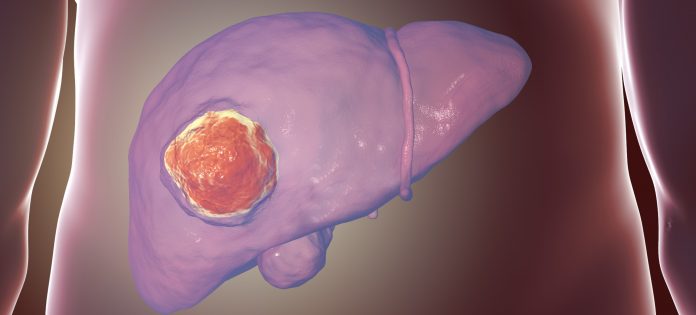
Cancer cells have a remarkable ability to alter their identity, reactivating embryonic programs that allow them to migrate and spread throughout the body. This unwanted plasticity is a key driver of tumor progression, but researchers from the German Cancer Research Center (DKFZ) and the European Molecular Biology Laboratory (EMBL) have identified a potential way to stop it. Their study, published in Nature, reveals that a molecule called PROX1 acts as a powerful safeguard, maintaining liver cell identity and preventing the formation of aggressive liver tumors.
The study sheds light on a fundamental process in cancer biology. While master regulators activate genes that guide cells into specialized roles, the researchers wanted to know whether there are opposing forces—molecular guardians that suppress plasticity and prevent cells from straying from their intended path. Using computational models to screen for such gene switches, they identified nearly 30 candidates and focused on PROX1, a molecule with striking effects in liver cells.
“It turned out that PROX1 is a very influential guard in liver cells. If it is missing, the liver cells change their phenotype,” said lead researcher Moritz Mall, PhD, a group leader at DKFZ. The researchers demonstrated that when PROX1 levels were reduced, liver cells lost their identity, increasing their plasticity and making them more prone to tumor formation. Conversely, increasing PROX1 expression in tumor models suppressed cancer growth—even in the presence of highly potent cancer-driving mutations in p53 and Myc. “We were surprised by how powerful PROX1’s influence is,” Mall noted.
Unlike many gene regulators that function like an on-off switch, PROX1 must remain continuously active to maintain its protective role. The researchers also found that PROX1 was essential for liver regeneration, playing a critical role in repairing damaged tissue.
The implications for cancer therapy are significant. If researchers can find a way to enhance PROX1 activity locally in the liver, it could provide a novel strategy for preventing or treating liver cancer. The team is now investigating whether similar guardian molecules exist in other organs, with the hope that this discovery could lead to broader therapeutic applications.
“There are still many unanswered questions, but we are convinced that PROX1 and similar mechanisms could open doors to new treatments,” said Mall. The study provides compelling evidence that maintaining cellular identity is not just a developmental process—it is also a powerful defense against cancer.