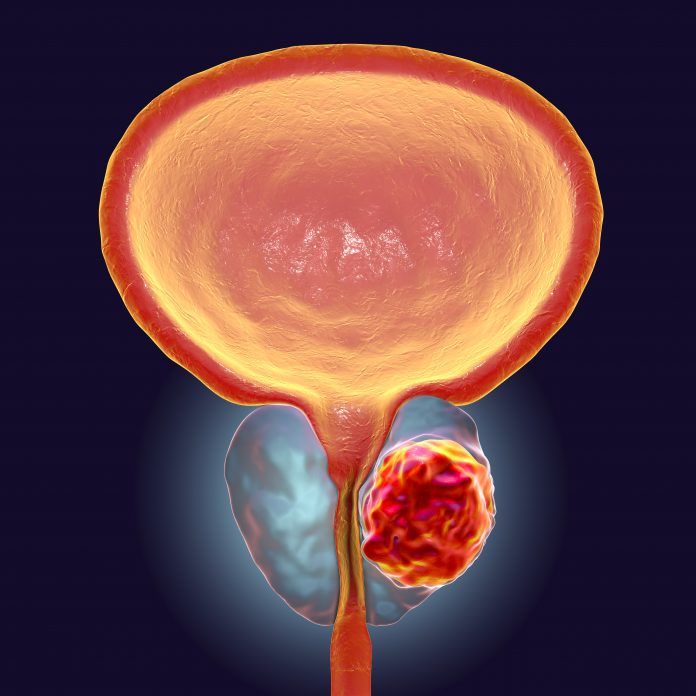
Prostate cancer is one of the most common cancers worldwide and the second leading cause of cancer-related death in men. While considerable research has focused on advanced disease, much less is known about how prostate tumors actually begin. Now, researchers from the Université Libre de Bruxelles (ULB) have discovered how inflammation-driven cellular reprogramming initiates prostate cancer, potentially offering new strategies for prevention.
In a study published in Nature Cancer, scientists led by Professor Cédric Blanpain, MD, PhD, director of the Stem Cells and Cancer Laboratory and WELBIO investigator, identified how inflammation caused by cancer-associated mutations leads to early tumor development. “By identifying the molecular mechanisms regulating cellular reprogramming required for prostate tumor formation, our results pave the way for new therapeutic approaches targeting inflammation-induced reprogramming,” Blanpain said.
Cellular reprogramming drives tumor initiation
Using genetically modified mouse models and molecular profiling techniques, first author Chen Jiang, PhD, and colleagues discovered that specific inflammatory signals reprogram mutated cells into new cellular states essential for tumor initiation. “We found that cellular reprogramming events leading to cancer formation occur differently in different regions of the prostate,” said Jiang.
The reprogramming process is initiated when inflammation alters the identity of luminal prostate cells that carry oncogenic mutations. These changes prime the cells for malignancy, setting the stage for full transformation into cancer cells. Importantly, the researchers found that blocking inflammation with drugs was enough to prevent this reprogramming and halt tumor formation altogether.
From mouse to human
To explore the relevance of their findings in human disease, the researchers compared the reprogrammed cell states in mice to those observed in aggressive human prostate cancers. They found a clear correlation. “It is exciting to see that the cellular reprogramming identified in the mouse model correlates with more aggressive prostate cancers in men, suggesting that the reprogramming markers we identified could serve as a predictive biomarker for aggressive prostate cancer,” Jiang explained.
This link between early inflammation-driven changes and high-grade tumors in humans suggests that these reprogramming events are not just experimental observations—they may also be clinically significant. Targeting them could provide a means of intercepting cancer before it progresses.
Toward new prevention strategies
The study not only sheds light on the cellular origins of prostate cancer but also identifies a potential path forward for prevention. Since inflammation is a modifiable factor, especially in aging men with chronic prostatic inflammation, therapies designed to block specific inflammatory signals might reduce cancer risk in high-risk populations.
“Our results pave the way for new therapeutic approaches,” said Blanpain, emphasizing the importance of targeting the early reprogramming phase before full transformation occurs. The findings also highlight the broader role of inflammation in cancer biology and suggest that similar mechanisms may operate in other inflammation-associated cancers.
By revealing how inflammatory signals cooperate with genetic mutations to initiate prostate tumors, this work marks a significant advance in understanding cancer origins—and opens the door to novel strategies to stop prostate cancer before it starts.