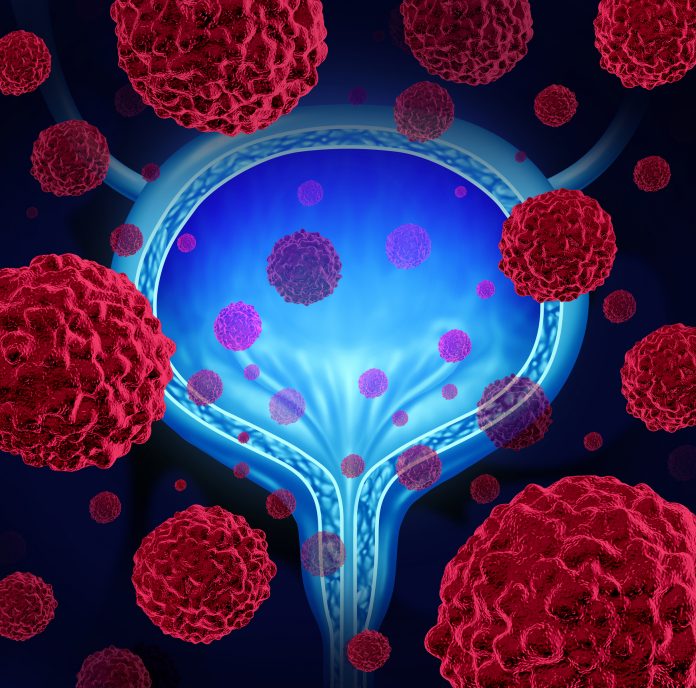
Personalized microbial “cocktails” may offer a new form of cancer immunotherapy, according to work by researchers at Pennsylvania State University and collaborators. They used an AI-powered approach to revitalize a field that once showed great promise, but proved too complex to harness before. It could also address a major unmet need in cancer therapy.
In an orthotopic mouse bladder cancer model, their microbial product cocktails demonstrated immunoenhancement and improved survival rates compared with standard bacillus Calmette–Guérin immunotherapy.
The report appeared this week in Nature Communications. The lead author is Yue Yan, PhD, of the University’s Department of Biomedical Engineering.
“We are directly addressing this complexity [delivery of effective therapies] through the use of an AI-assisted workflow to accurately select and optimize potent combinations of microbes and their dosages,” senior author Pak Kin Wong, PhD, told Inside Precision Medicine. Wong is also with the University’s Department of Biomedical Engineering.
He added that, “We believe we are at the beginning of a new chapter in immunotherapy. Our current focus is on exploring additional microbe-based immunotherapy candidates and strategically expanding our core approach to be effective against other solid tumors beyond our initial focus.”
The study aimed to develop a distinct class of immunotherapy based on microbial product cocktails (MPCs). These can elicit small molecules and metabolites by commensal and pathogenic bacteria that can create local and systemic inflammatory responses. These include lipopolysaccharides, outer membrane protein, peptidoglycans, flagellin, microbial RNA, and CpG DNA, and it is known that they can enhance immunogenicity.
The researchers designed a personalized platform for selecting effective MPCs for the immunotherapy of bladder cancer. This platform, they report, applies an immuno-comparative analysis of recruitment and enhancement (iCARE) assay based on patient-derived tumor organoids from the most common bladder cancer surgery—transurethral resection of bladder tumor (TURBT). This multiplex microfluidic assay was designed to phenotypically capture the immunogenicity of tumor samples stimulated with microbial products.
Using the immune response is now a well-proven cancer treatment strategy that represents a booming worldwide market worth an estimated $75 billion and expected to double. Unfortunately, current immunotherapies help only a small percent of patients (about 20%), and it is not possible to easily distinguish likely-responders from non-responders.
Meanwhile, microbes have long been recognized as effective against tumors, it has just been difficult to make this approach effective and reproducible. Most notably, in 1891 “Coley’s toxins” produced over 10-year disease-free survival in about 30% of patients. These toxins were heat-killed streptococcal organisms combined with heat-killed Serratia marcescens.
So what has held the field back?
One of the primary hurdles has been the lack of understanding of the role of the body’s microbiota. But research in that area has exploded over the last few years. Once that was better understood, the vast diversity of the microbial landscape was another hurdle. Advances in genomic sequencing and other technologies have hugely enabled such investigations.
Wong added, “One of the key inspirations was the success of Fecal Microbiota Transplantation (FMT), which powerfully demonstrated the potential of harnessing microbes for managing various diseases, including cancer. However, FMT is sometimes criticized due to the lack of a complete understanding of the precise bacterial composition and the inherent risk of transmitting infectious agents. Our microbial product approach addresses these critical limitations by precisely ‘designing’ the microbes involved and, crucially, by avoiding the use of live bacteria in the final product. Our approach will also be much easier and cheaper.”