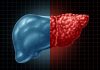






A type of cell therapy made up of macrophage cells can lower risk for death or need for a liver transplant in people with cirrhosis due to advanced liver disease.
The research, published in Cell Stem Cell, was a long term follow-up study of patients recruited into an earlier Phase I/II trial and showed a 27.5% drop in risk for death or liver transplant in those who received the therapy versus usual care over up to four years of follow up.
“Cirrhosis represents a major global health burden, with substantial and rising morbidity and mortality,” write lead author Stuart Forbes, PhD, a professor at the University of Edinburgh and scientific founder of Resolution Therapeutics—the biotech developing the therapy, and colleagues.
“Apart from liver transplantation, therapeutic options for end-stage disease remain limited to supportive care and management of complications, underscoring the urgent need for innovative approaches to halt or reverse disease progression.”
The treatment used in the study involves extracting monocyte cells from the blood of patients and converting them to macrophages in the lab before injecting the macrophages into the liver to trigger repair.
The therapy is designed to overcome the tissue damage and scarring seen in people with advanced cirrhosis where the liver loses its normal ability to regenerate itself. Macrophages are able to break down scar tissue, reduce inflammation and encourage the growth of new and healthy cells in the liver.
In the initial MATCH Phase I/II study, 26 patients had macrophage therapy and 24 received standard care. After the follow up period, 30.8% of those in the treatment group had died or needed a transplant versus 58.3% of the standard care group. No serious adverse events were linked to the cell therapy.
“Liver disease is a major cause of death… Although we can use liver transplantation as a rescue treatment for a proportion of people who have advanced liver disease, this is restricted by a lack of suitable donor organs… There is therefore a desperate need for alternative treatments for patients with advanced liver disease,” commented Forbes, in a press statement.
“We hope this type of approach could one day add to our treatment choices for patients with advanced liver disease, reducing the need for liver transplants.”
Resolution has another similar Phase I/II trial to Match underway called Emerald that is building on the initial results but using macrophages modified to be more effective at tackling liver damage.
The company is also running an observational trial called Opal, a study in patients with cirrhosis and hepatic decompensation, to characterize disease trajectories and help design endpoints and inclusion criteria for future interventional trials.