Air-borne pollution is linked with both rheumatoid arthritis (RA) activity and the risk of the disease flaring up, South-Korean research suggests.
The findings, in the Annals of Rheumatic Diseases, stress the importance of a healthy environment in managing RA and possibly other autoimmune conditions.
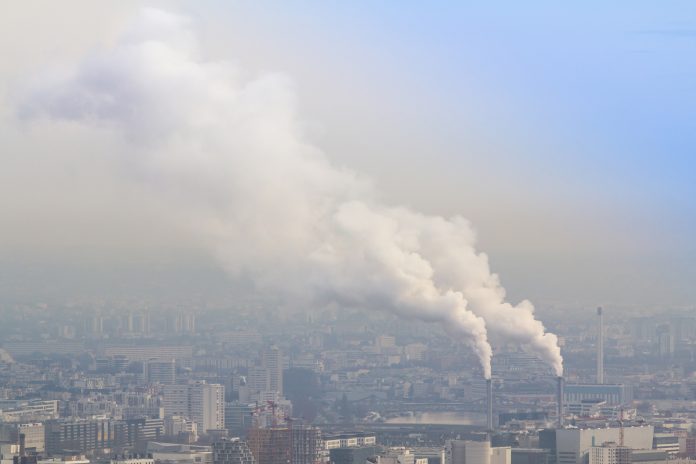
Fine particulate matter such as dust, soot, and smoke appeared to collectively impact patients with established RA.
A particular link was seen with small particulate matter size of 2.5 µm or less (PM2.5), especially with prolonged exposure to elevated levels over more than two weeks.
“Our study has important implications for public health policy making,” said researcher Eun Bong Lee, PhD, from Seoul National University.
“While further studies are warranted to determine whether improving air quality can reduce disease activity in RA patients, we would recommend these patients avoid prolonged exposure to poor air quality, particularly high PM2.5 levels.”
RA is a chronic autoimmune disease characterized by joint inflammation and damage, with symptoms that can spread far beyond this.
Genetics, the immune system, and exposure to environmental factors can all play a part in its development, with smoking also a well-established risk factor.
Jung and co-workers studied the link between air pollution and RA disease activity among 1070 patients with RA who made 12,583 outpatient visits to a tertiary medical center in South Korea over a four-year period.
Using geocoding—which converts the description of a place, such as an address, into map coordinates—they then estimated environmental levels of six major air pollutants: sulfur dioxide, nitrogen dioxide, ozone, carbon monoxide, and PM of 10 µm or less (PM10), and PM2.5.
The team found that levels of these air pollutants were linked with RA flares and several measures of disease activity. The association with the Disease Activity Score 28 using C-reactive protein (DAS28-CRP) was most obvious in nonsmokers and women.
PM2.5 was most consistently associated with higher RA disease activity, with each standard deviation increase associated with adjusted odds ratio of 1.104.
Other, specific gas pollutants and PM10 were not consistently associated with RA disease activity.
Further analysis revealed a lag in the impact of air pollutants, with higher levels resulting in a greater risk of RA flares about 12 to 20 days later.
“Considering rising levels of air pollutants, these results have significant clinical, biologic, and public health implications, commented Jeffrey Sparks, MD, from Harvard Medical School, in an accompanying editorial.
“They also further reinforce that inhalants may have broad implications for risk and progression of RA and perhaps other autoimmune diseases.
“From a clinical perspective, this may offer avenues to lower the risk of RA flares by avoiding air with poor quality and provide some potential explanation for otherwise idiosyncratic RA flares.”