




I’ve been poring over the news around Intellia Therapeutics’ NTLA-2001, an in vivo CRISPR-Cas9 therapy to inactivate the TTR gene in two sets of transthyretin amyloidosis patients. On October 27, 2025, Intellia reported that an 80-year-old trial participant treated with NTLA-2001, also known as nexiguran ziclumeran (nex-z), had Grade 4 liver transaminases and increased total bilirubin, requiring hospitalization. The FDA placed a clinical hold on NTLA-2001, the 650+-patient MAGNITUDE trial, and MAGNITUDE-2 (NCT06672237), a 47-patient Phase III study, while the company and authorities investigated.
For days, I and others have wondered: What happened to the patient? What caused the serious adverse event? What does this mean for the company’s future?
While waiting for Intellia to report more on this serious adverse event, I found social media posts proposing plausible mechanisms using any scrap of information. Multiple threads suggest that Cas9 nuclease-induced insertion or deletion (indel) produces short toxic peptides. From a blip on the map to the end of the company, opinions varied. The term “Hy’s Law”—a potentially trial-halting liver injury—began showing up left and right. In the backdrop, Intellia’s share price remained volatile after tumbling 40–46% after the initial announcement.
Then, during Intellia’s Third Quarter 2025 Financial Results call, on November 6, 2025, the worst-case scenario was made public: the hospitalized patient treated with nex-z had died over the weekend.
The problem of double-stranded breaks
As if on cue, the day after Intellia announced the patient death, a paper on CRISPR-Cas9-induced DSBs was published. In this article in Molecular Cell, published on November 7, researchers from the lab of Maria Jasin, PhD, at Memorial Sloan Kettering Cancer Center (MSKCC) demonstrated megabase-scale loss of heterozygosity (LOH) provoked by CRISPR-Cas9 DNA DSBs.
Using a new assay called Flo-LOH, the researchers tracked the fate of cells after a Cas9-induced break. Jasin and colleagues found that roughly five percent of both mouse and human cells experienced LOH, and that the damage was not subtle. Cells lost megabase-scale chromosome segments, sometimes entire chromosome arms, and in some cases entire chromosomes. The MSKCC team observed various mechanisms leading to this damage, including chromosome truncations, break–fusion–bridge cycles, and the creation of new telomeres.
Even more concerning, cells that acquired these alterations could survive and spread, allowing the consequences of a single DSB to persist and expand over time. When researchers suppressed two main DNA repair pathways for rejoining broken DNA ends—non-homologous end joining (NHEJ) and microhomology-mediated end joining—LOH increased dramatically. In contrast, genome editing tools such as base editors, which only nick DNA and thus avoid DSBs, produce no detectable LOH under the same conditions.
That DNA DSBs are a danger has long been recognized—but it is this danger that is an opportunity for genomes. Left unrepaired, DSBs cause rearrangements and cell death, but when repaired, they can drive gene conversion and precise sequence change. For decades, yeast and mammalian cells showed that a targeted DSB increases homologous recombination (HR) by orders of magnitude, revealing DSBs as powerful genome-altering tools.
Since the 1990s, Jasin’s lab has used engineered endonucleases and reporter systems to show that DSBs strongly stimulate HR and map the genetic controls that channel repair toward homology-directed outcomes rather than end-joining in mammals. Jasin’s 1994 mammalian cell experiments showed that a clean, targeted DSB greatly increases HR, proving that site-specific cleavage can drive precise DNA repair. This study clarified the balance between fast, indel-prone NHEJ and template-guided, cell-cycle-dependent homology-directed repair, laying the groundwork for genome engineering.
In a brilliant review article published in the inaugural issue of The CRISPR Journal in 2018, Fyodor Urnov, PhD, professor of Molecular Therapeutics at UC Berkeley and a director of Technology & Translation at the Innovative Genomics Institute (IGI), paid tribute to Jasin’s early work. Jasin’s experiments, Urnov wrote, “set in motion a chain of events, including landmark studies by Dana Carroll … that brought us all directly, in 2018, to genome-edited potatoes and people and a Noah’s Ark of edited cells and organisms.”
Stumbling across this intriguing paper from Jasin—who has been interested in the DSB problem since she was a postdoctoral fellow with Nobel laureate Paul Berg, PhD, in the late 1980s—just before the news broke that a patient who had been hospitalized died over the weekend is a strange synchronicity. It’s also not the first paper to raise serious concerns about gene editing, adding to “CRISPR scares.”
Importantly, the Molecular Cell study from Jasin and colleagues is not even the first paper on DSBs and LOH. Several studies have triggered “CRISPR scares,” raising critical safety questions about genome editing’s unintended consequences. In 2018, Kosicki et al. in Nature Biotechnology revealed that CRISPR–Cas9 DSBs can produce large deletions and complex genomic rearrangements at on-target sites. Later, Alanis-Lobato et al. (PNAS, 2021) and Zuccaro et al. (Cell, 2020) reported extensive LOH and chromosomal abnormalities in CRISPR-edited human embryos, while Boutin et al. (Nature Communications, 2021) discovered megabase-scale LOH events in edited hematopoietic cells.
Multiple articles have detailed other CRISPR therapy safety concerns. In 2018, Haapaniemi et al. and Ihry et al. in Nature Medicine independently showed that Cas9-induced DNA damage activates a p53-mediated response, selecting for cells with defective tumor-suppressor pathways—a potential cancer risk. Around the same time, Charlesworth et al. (also in Nature Medicine) found widespread preexisting immunity to Cas9 proteins in humans, raising concerns for in vivo therapeutic use. These papers revealed complex DNA damage, immune responses, and genomic instability associated with DSB-based editing, undermining early CRISPR safety optimism.
What does all of this mean for the future of Intellia and other CRISPR therapies? Perhaps Jasin and colleagues’ publication and Intellia’s patient’s tragic death are a coincidence, but should we be concerned about large-scale LOH?
The cause of death
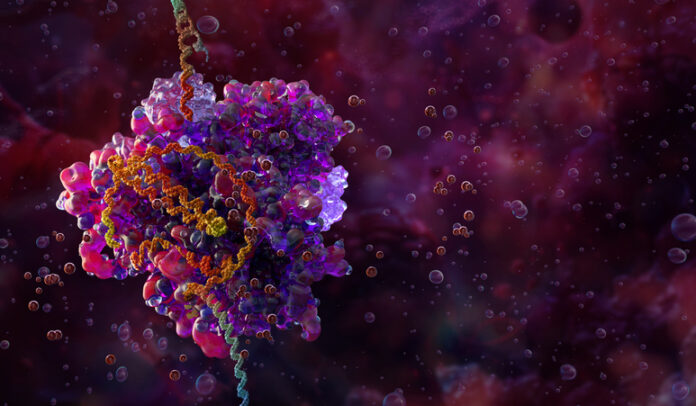
Finding out what went wrong with NTLA-2001 requires several perspectives. To treat ATTR, Intellia’s experimental in vivo gene editor delivers a two-part CRISPR system—a guide RNA (sgRNA) targeting the TTR gene and an mRNA encoding the Cas9 enzyme—to the liver via lipid nanoparticles (LNPs). Upon entering hepatocytes, sgRNA and Cas9 disable the TTR gene, stopping ATTR amyloidosis-causing transthyretin protein production.
To put this in context, consider a 2023 incident. A participant in Verve Therapeutics’ trial of a cholesterol-lowering base-editing therapy died of cardiac arrest five weeks after treatment—later deemed unrelated to the drug. Another patient had a severe heart attack a day after dosing that was “potentially related.” When a third developed Grade 3 liver enzyme spikes and thrombocytopenia, Verve halted the study, suspecting the LNP delivery vehicle. The company resumed testing after reformulating the nanoparticles, and the new trial has shown better safety.
Intellia’s CRISPR therapy for ATTR similarly depends on LNP delivery. More than 450 patients have reportedly received NTLA-2001, suggesting most infusions have proceeded without serious incident. Still, LNP-based CRISPR treatments have a history of transient liver enzyme elevations, including a case reported by Intellia in May that resolved without hospitalization.
The greater concern may lie not in the delivery system but in the edit itself. It’s possible that the choice to edit a protein coding region to impede expression instead of disrupting the binding to a regulatory DNA sequence, as is the case with the first FDA-approved CRISPR-based medicine—Vertex/CRISPR Therapeutics’ CTX001 (Casgevy) for sickle cell disease (SCD) and β-thalassemia (TDT). In the case of NTLA-2001, a small indel at the TTR locus can produce a frameshift that generates a short novel peptide. When hepatocytes present a neoantigen on MHC class I molecules, CD8⁺ T cells may launch a targeted immune attack, causing mild liver enzyme elevations to significant liver cell loss. In a robust adult, such an immune hit might be transient, but in an older patient, the consequences can be far more serious—even triggering Hy’s Law.
Hy’s Law, a rule of thumb for predicting severe drug-induced liver injury, requires three conditions: (1) alanine aminotransferase (ALT) or aspartate aminotransferase (AST) levels at least three times the upper limit of normal; (2) serum bilirubin levels at least twice the upper limit of normal, typically within two weeks of liver enzyme elevation; and (3) absence of confounding factors such as cholestasis, viral hepatitis, or pre-existing liver disease. Meeting these criteria indicates a high likelihood of serious, potentially fatal hepatic injury.
Another possibility involves large-scale genomic damage. Megabase-scale LOH, like that observed by Maria Jasin and colleagues, may activate DNA-damage sensors and the innate immunity system that detects cytosolic DSBs (cGAS-STING pathway) in hepatocytes, leading to a pouring out of pro-inflammatory signals. The immune system may respond with both T-cell cytotoxicity and natural killer (NK) “missing-self” killing, leading to widespread hepatocyte death, the biochemical signature (i.e., sharp spikes in ALT/AST followed by rising bilirubin) that matches the first two criteria of Hy’s Law, and liver injury. In addition, megabase-scale LOH around the TTR locus on chromosome 18 could disrupt TTR and neighboring cardiac integrity and cell signaling genes like DSG2 and DSC2. Though this matches with liver enzyme and bilirubin levels observed in the patient, the timeline tells a different story, one that is more in line with the neopeptide response.
Intellia has not speculated on whether the nanoparticles, CRISPR machinery (Cas9 mRNA or sgRNA), patient age, or another factor caused the death. Many observers suggest Cas9-induced indels produce an immunogenic peptide. With current data, the health of the patient entering treatment and timing play a major role in dictating the argument of whether the edit created an indel or a DSB-related genomic rearrangement. Indel-derived neoantigen responses appear weeks after dosing, indicating an adaptive immune flare, while LOH genotoxicity causes earlier, broader cytotoxic damage. Given what’s known about the patient—elderly, high body mass index, and, of course, ATTR—and the Hy’s Law profile, the timing of the documented symptoms aligns more closely with direct genotoxic collapse rather than an immune-mediated response.
However, the patient’s age and timing of events complicate the picture. In an 80-year-old with limited hepatic reserve, even a small number of hepatocytes displaying a novel neo-epitope could be enough to trigger a Hy’s Law event. Immune-mediated injury tends to appear three to four weeks after editing, following antigen processing and T-cell expansion, whereas LOH-driven toxicity strikes sooner, within the first two weeks, and more diffusely. So, a delayed, focal injury pattern points toward an indel-derived immune reaction as the more plausible cause, while LOH remains a longer-term oncogenic concern rather than a driver of acute liver failure. Ultimately, without any genomic data, it’s impossible to make heads or tails of the situation.
Nevertheless, the crux of the issue persists: which component of the CRISPR system bears responsibility? Is it the nuclease, sgRNA, or delivery chemistry? The symptom patterns don’t implicate nanoparticles, putting both the Cas9 nuclease and the sgRNA on the hook, and, depending on which one it is, could dictate whether there is a future for Intellia.
I reached out to twelve prominent CRISPR researchers for comment, and all twelve declined to speculate about the cause, citing insufficient information. What I gathered was a consensus that Intellia’s immediate task is to understand what went wrong and how to mitigate the risk going forward. Over the next few weeks, regulators, the company, and independent investigators will determine if the adverse event was caused by the intended gene edit, off-target changes, an immune response to the delivery vehicle or Cas9 protein, or unrelated factors related to the patient’s condition.
Are other CRISPR therapeutics at risk?
The implications of this patient’s death reach beyond any single program. Many clinical CRISPR therapies rely on the Cas9 nuclease to induce a break in the DNA, including Intellia’s other two in vivo programs, NTLA-2002 and NTLA-3001, already in clinical trials. This concern is now sending jolts through the gene editing field, whether it applies only to Intellia’s program or to all Cas9-based CRISPR therapies. But first, it is important to look at the cumulative clinical data to date on CRISPR-based therapeutics.
In their review article on the first five years of progress in CRISPR clinical trials published in 2024, Rodolphe Barrangou, PhD, a scientific founder of Intellia, and two of my colleagues, Alex Philippidis and Kevin Davies, PhD, author of Editing Humanity, tallied more than 100 CRISPR-related clinical studies registered worldwide—spanning gene, base, and prime editing—most in the U.S. and China, across all trial phases, with 35 actively recruiting and 12 completed. There appears to be mid-2025; the CRISPR therapeutic landscape is busy and mixed. Today, there are 250 clinical trials, over 150 of which are active, ranging from ex vivo blood stem cell (HSC) edits for hemoglobinopathies to in vivo liver and ocular programs. Across these trials, several hundred patients have now been dosed.
The excitement over CASGEVY, which uses Cas9 to edit autologous HSCs ex vivo before returning them to the patient, has died down, but it is still a crucial precedent. Since the CRISPR-based autologous cell therapy’s approval, 165 people with SCD or TDT have had their first cell collection for CASGEVY, including 50 in the third quarter of 2025, and 39 have received CASGEVY infusions, including 10 in the third quarter. Dozens of patients dosed ex vivo have shown sustained fetal hemoglobin increases and clinical benefit.
Other ex vivo and lipid-lowering programs (e.g., Verve’s VERVE-101) have dosed in the low double digits. Ex vivo editing provides multiple layers of control: cells are screened, edited clones can be assessed for safety, and damaged cells can be excluded before reinfusion. In vivo therapies, including NTLA-2001, operate without that safety net, editing directly inside liver cells with no opportunity to discard cells that experience chromosomal damage. That difference alone alters risk.
In vivo work has advanced too, notably non-cutting CRISPR platforms. Base editing and prime editing are designed to avoid creating DSB, and early studies suggest a significantly lower risk of large deletions, chromosomal rearrangements, or LOH. So far, we only have a few in vivo data points for these editors: a base editor was used in Baby KJ and Prime Medicine has reported positive data for a child treated with PM359, an investigational prime editor for Chronic granulomatous disease. The new Flo-LOH data confirms that base and prime editors did not increase LOH under the same experimental conditions. If the field wants safe, one-time cures, these non-cleaving technologies may gain momentum.
Several other Cas9-based gene therapies are advancing through clinical development. EBT-101, by Excision Biotherapeutics, uses two guide RNAs to target and excise three HIV-1 proviral genome sites from infected cells in one intravenous infusion. Phase I dosing has been completed, and participants are in follow-up after the trial met safety and tolerability endpoints. Vispacabtagene regedleucel (vispa-cel, formerly CB-010) from Caribou Biosciences treats relapsed or refractory B-cell non-Hodgkin lymphoma with allogeneic anti-CD19 CAR Ts. This is the first allogeneic CAR T therapy in clinical trials to knock out PD-1, which prevents T-cell exhaustion and improves antitumor potency. Three Cas9 chRDNA edits target TRAC removal, CAR insertion, and PD-1 disruption.
And all hope is not lost for Intellia Therapeutics. On November 10, Intellia shares surged nearly 14% after the company reported strong Phase I/II data for NTLA-2002, also known as lonvoguran ziclumeran (or lonvo-z), in 32 patients with hereditary angioedema (HAE) over the weekend at the 2025 American Heart Association (AHA) scientific sessions. The treatment kept 97% of patients attack- and prophylaxis-free, with durable effects lasting up to 32 months and a favorable safety profile over three years. Lonvo-z, delivered as a single intravenous infusion, is now being tested in a global Phase III trial with results expected by mid-2026.
At AHA 2025, Intellia presented updated Phase I data for NTLA-2001, which involved a single IV dose of weight-based (0.7 mg/kg or 1.0 mg/kg) or fixed 55 mg. Rapid, durable TTR silencing was observed in advanced ATTR patients. In 36 participants followed for a median of 26 months, serum TTR dropped 89% within 28 days and remained suppressed for two years, with cardiac biomarkers stable or improved and most patients maintaining or gaining function. Safety was manageable—only transient infusion reactions and mild AST elevations were observed. Four deaths occurred after month 17, with no early safety signal.
The fixed 55 mg dose is the same dose being used now in Phase III. So, of over 450 patients dosed mostly at 55 mg, there has been one reported fatality in an 80-year-old patient with high BMI and ATTR.
Is that enough to put the nail in the coffin for NTLA-2001, Intellia, or the whole Cas9 therapeutics field?
All deaths in clinical trials should be investigated thoroughly, with no stone of data left unturned, and call for a moment of deep reflection, as the book of gene editing is being rewritten with pages being updated and added in real-time.
The stakes for patients
A word on costs. Current ATTR therapies carry immense financial and societal burdens because they are lifelong, high-cost maintenance drugs. In the United States, list prices range from approximately $244,000 per year for acoramidis to nearly $500,000 for vutrisiran, with tafamidis at $268,000 annually—once labeled the most expensive cardiovascular drug ever approved. Even with negotiated discounts, these treatments are not short courses; they must be taken continuously to suppress transthyretin production. According to a study published in the Journal of the American College of Cardiology (JACC) in August 2025, for a 75-year-old patient with ATTR-CM, five to ten years of therapy can exceed $1 million in drug costs alone, and younger patients with hereditary ATTR face far greater lifetime expenses. Until recent Medicare reforms, many patients paid more than $10,000 out of pocket each year. Those costs have now been capped at $3,300 in 2024 and will drop to $2,000 in 2025, yet even these reduced figures can remain unaffordable for individuals on fixed incomes, and for uninsured patients, the full price is insurmountable. In 2021 alone, Medicare spent over $1.2 billion on tafamidis.
A potential one-time gene editing treatment would fundamentally alter this economic landscape. Rather than paying hundreds of thousands every year, healthcare systems and patients would face a single upfront cost. The initial price tag might be high—potentially comparable to or exceeding a single year of therapy—but the total lifetime cost could be dramatically lower. Beyond economics, the societal shift would be profound. Chronic treatment models tether patients to ongoing infusions, monitoring, and persistent financial stress, whereas a durable gene editing intervention could end treatment entirely, simplifying care delivery and reducing long-term financial toxicity. The challenge ahead will be ensuring that a cure is not priced like an endlessly renewable revenue stream.
For people living with ATTR, a safe one-time therapy would be transformative. Yet each serious adverse event raises the threshold that regulators apply to experimental therapies, particularly those that induce permanent genomic changes. The death of a trial participant is one of the most consequential events that can occur in drug development, and it will almost certainly slow the program, lead to additional requirements for preclinical data, or, in the worst-case scenario, force discontinuation. Markets have already priced in that uncertainty.
The timing of Jasin’s paper and the patient’s death is a coincidence, but an unsettling one. Both events point to a central tension in CRISPR therapeutics: genome editing with nucleases can achieve remarkably precise outcomes, yet the act of cutting DNA introduces risks that are still not fully understood. The future of in vivo genome editing may depend on whether the field can shift away from DSBs toward editing systems that do not endanger chromosomal integrity. The question now is not simply whether CRISPR can change DNA, but whether it can do so without breaking the genome, the trust of regulators and investors, and the hopes of the patients who need it most.