




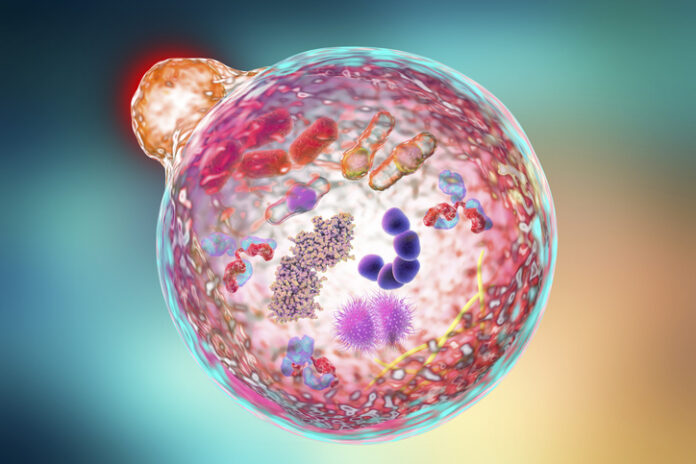
Early research in mice shows that re-activation of a cellular process called chaperone-mediated autophagy, a part of the cell’s maintenance and recycling system that declines with age, could reduce fibrosis and improve tissue repair.
As reported in Nature Aging, lead researcher Ana Maria Cuervo, MD, PhD, a professor at the Albert Einstein College of Medicine, and colleagues showed that chaperone-mediated autophagy gradually declines with age and that cells that are affected secrete proteins and metabolites linked to aging or senescence.
Cellular senescence is a stress response. For example, this process might prevent a severely damaged cell from becoming cancerous. Senescent cells are alive and metabolically active but do not divide normally. They also send out signals that can recruit immune cells and help coordinate repair after injury. However, if senescent cells persist rather than being cleared once their purpose is over, this can be problematic. Over time, this can affect nearby cells, maintain inflammation, impair repair, and contribute to the buildup of fibrotic tissue.
“In older animals, age-related changes in both senescent cells and the immune cells responsible for removing them allow these zombie cells to accumulate and play a role in disease,” said Cuervo in a press statement. “By restoring cellular recycling, we may be able to help the body’s own defenses clear these cells more effectively.”
In this study, the researchers compared fibroblast cells from young (four-month-old) and old (23-month-old) mice, then triggered senescence in the cells. They genetically impaired chaperone-mediated autophagy in the cells and analyzed changes in proteins, metabolism, and cell secretions that occurred as a result. They also assessed whether the activity of macrophages, immune cells that normally engulf senescent and dying cells, was linked to this type of autophagy.
The study was mostly carried out in mice and mouse cells, but the researchers also evaluated whether their findings could be relevant in humans by looking at chaperone-mediated autophagy in idiopathic pulmonary fibrosis and in healthy lung tissue.
Finally, Cuervo and colleagues tested a compound, known as CA77.1, that can reactivate chaperone-mediated autophagy in aged mice and in those with a version of idiopathic pulmonary fibrosis.
Fibroblasts from older mice had less chaperone-mediated autophagy activity even before senescence was triggered. Unlike fibroblasts from young mice, these cells could not increase this recycling activity when they entered senescence. When the researchers disrupted this recycling system in fibroblasts from young mice, the cells developed many of the same protein changes seen in old cells.
In 18-month-old mice treated orally with CA77.1 for five months, markers of senescence fell across different tissues with some reduction in fibrosis. In a lung-injury model, starting treatment two days after the injury reduced fibrosis by about 55% by day 7.
“Our research connects two major drivers of aging, declining chaperone-mediated autophagy and cellular senescence, and shows for the first time how their interaction allows senescent cells to evade clearance by the immune system in old organisms,” said Cuervo.
“We’ve also found that instead of trying to kill zombie cells, we may be able to restore their interaction with the immune system so that the body can clear them naturally. The next challenge is determining whether this approach can eventually be developed into a safe treatment for age-related diseases in people.”