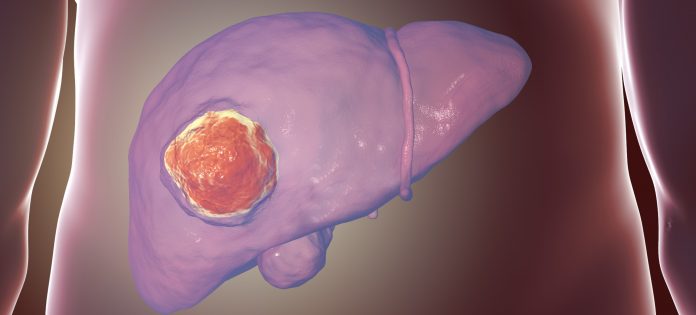
A blood test that analyzes genome-wide patterns of cell-free DNA (cfDNA) fragmentation detected hepatocellular carcinoma (HCC) more accurately than alpha-fetoprotein (AFP), the most widely used blood biomarker for liver cancer, according to a new study. The findings, published in Cell Press Blue from researchers at Johns Hopkins, suggest that combining cfDNA fragmentome analysis with AFP and clinical risk factors could improve early detection of one of the world’s deadliest cancers.
The technology builds on the DELFI (DNA Evaluation of Fragments for Early Interception) platform developed at Johns Hopkins, which uses genome-wide cfDNA fragmentation patterns rather than targeting specific mutations. Inside Precision Medicine previously highlighted DELFI as one of several emerging epigenetics-based technologies with the potential to reshape cancer diagnostics in its feature, “Beyond the Genome: Five Emerging Leaders in Epigenetics Diagnostics.”
The work also builds on a March 2026 study in Science Translational Medicine, which showed that an AI-driven version of the DELFI genome-wide cfDNA fragmentome platform could detect liver fibrosis and cirrhosis—conditions that often precede hepatocellular carcinoma—using a simple blood test.
HCC accounts for approximately 75% of primary liver cancers and is one of the few cancers with rising mortality in the United States. Survival depends heavily on early diagnosis, yet current surveillance with ultrasound, with or without AFP, often misses early-stage disease and remains underused.
In the new study, investigators validated a previously trained and locked DELFI classifier in 377 patients from geographically and etiologically distinct populations in Guatemala and Romania. The cohorts represented markedly different causes of liver cancer, including MASLD, viral hepatitis, alcohol-related liver disease, and aflatoxin exposure.
Using less than 1 mL of plasma and low-coverage whole-genome sequencing, the researchers examined multiple fragmentome characteristics, including chromatin organization, DNA methylation, genomic alterations, mutations, and repetitive DNA elements.
The study also introduced MethID, a methylation-based tissue-of-origin algorithm designed to identify the cellular sources of cfDNA from low-coverage sequencing data. MethID detected increased hepatocyte-derived cfDNA in patients with HCC while also revealing contributions from vascular and immune cells, providing new insights into how liver cancer reshapes circulating DNA.
The locked DELFI classifier successfully detected HCC across cancer stages and disease etiologies while outperforming AFP alone. When investigators combined DELFI scores with AFP levels and clinical risk factors such as age and sex, diagnostic performance improved further, producing high sensitivity for both early- and late-stage cancers in the validation cohorts.
“Importantly, our results show that the combination of DELFI and AFP outperforms AFP alone, the current standard biomarker for HCC detection,” the authors write.
Beyond diagnosis, the fragmentome patterns reflected important tumor biology. The researchers identified chromosome alterations characteristic of HCC, cancer-associated changes in repetitive DNA elements, and both shared and population-specific mutation signatures. Notably, the analysis detected a cfDNA mutation pattern associated with aflatoxin exposure, a potent liver carcinogen common in parts of Central America, representing the first genome-wide identification of this signature in circulating DNA.
The investigators also found that higher fragmentome scores correlated with tumor characteristics and survival, raising the possibility that the approach could eventually help monitor minimal residual disease after liver resection or transplantation and identify patients who would benefit from intensified surveillance.
The authors concluded that integrating cfDNA fragmentome analysis with established protein biomarkers and clinical risk factors could provide a more accessible and sensitive screening strategy than current approaches, particularly for individuals at high risk of HCC. They noted that prospective studies and cost-effectiveness analyses will be needed before the multimodal liquid biopsy can be incorporated into routine liver cancer surveillance.